
Building My Way Out
I'm 51, I earn good money, and I'm trying to figure out how to not need it anymore. This is the first entry in a journal about that process.
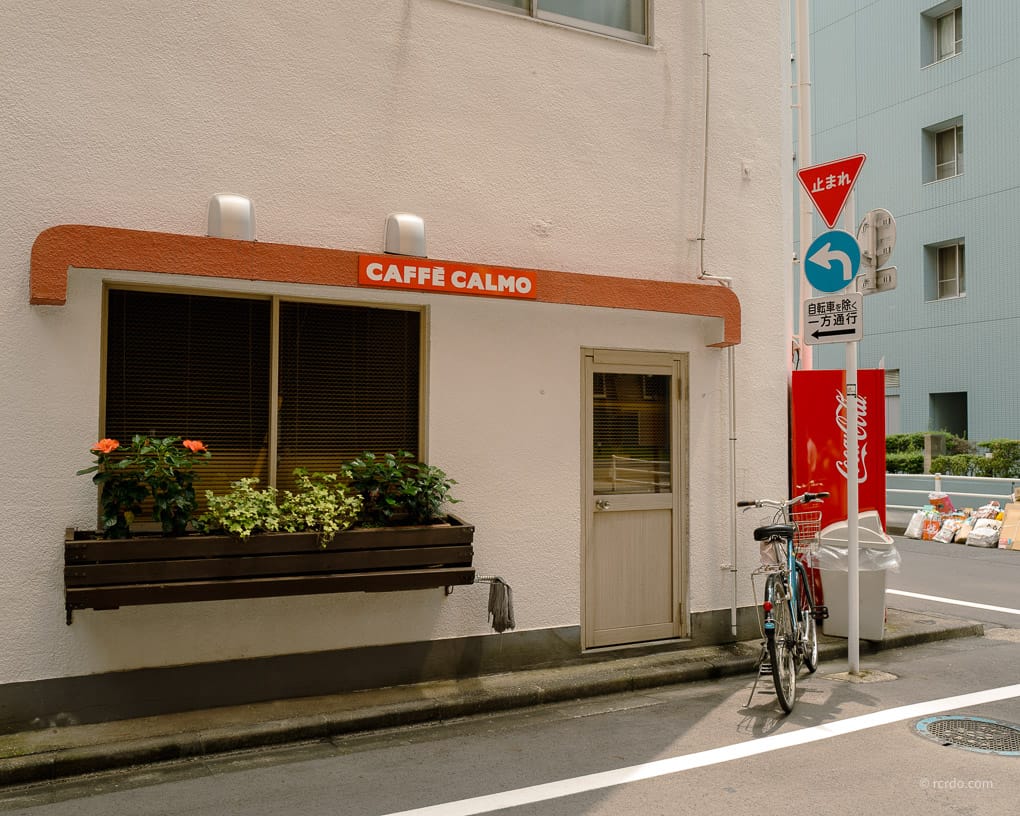
I am writing on a Thursday night, overlooking the lights of downtown Bellevue. It's raining, and although it's not that late, the sun has already set. For years, my writing happened on Friday mornings. That was my favorite perk from working Monday through Thursday — a three-day weekend, every week. Fridays had become my day: walking, stopping at random coffee shops, having lunch at Pike Place, taking photos around the water front, reading and writing. The company I work for decided that everyone should be available five days a week. So they took my Fridays back.
Since then, I've been thinking more carefully about time, about who controls it, and what it would take to get more of it back for good.
I like my job. It's challenging, and I still learn from it every week. That's why I'm still there, eleven years in. I earn good money, I have great coworkers, and I believe in what we're building. And yet, I need to build something outside of it. I need more control over my time, and this feeling gets stronger every year. I think that's what aging does — it makes you want to spend more of your days on things that are actually yours.
I didn't start here. My first job in this country was on an assembly line in Minnesota, attaching the same piece to an endless stream of treadmills rolling past on a moving belt. Tiring, repetitive, physical. The pay was around $5.50 an hour on 12-hour shifts. After that I sprayed kitchen doors and cabinets, also on a line, 6 PM to 6 AM. I remember waking up in the morning unable to move my fingers. A few jobs like that, until my English improved enough to get an office job. Better conditions, similar pay, but being around English speakers helped me learn faster. Also, I got to drink coffee while I worked, and that, believe me, was where my love for coffee originated.
Eventually I got bored of simple clerk work and started reading programming books, then networking books, then enrolled at a community college to study computer science. A few years later I landed an entry-level LAN engineering job, setting up computers, creating accounts, keeping systems running. I did that for about five years, then moved to Texas without a job lined up, applied everywhere in Austin, and after about a month of daily interviews, got my first programming offer. It paid double my previous salary. The commute was nearly two hours each way. After three months of four-hour commute days I found something closer, stayed there until 2008, when the financial crisis cleared out the entire development team. I landed on my feet. I always have. Curiosity and a decent work ethic have been enough. But I want something different now. I don't want to spend the majority of my days working for someone else. I want something that's mine, something that fits this phase of my life.
The obstacle is the math. My salary is comfortable — until you run the numbers. I carry significant student debt, and rent in this city takes a real bite. I invest in retirement, I travel, and buy a lot of books. The "just save and retire" math doesn't work from where I'm standing, and I knew that going in.
What I'm not going to do: consulting or services. Trading one boss for twelve, hours for dollars, no leverage. I'm also not building courses. Technology moves too fast and I'm not interested in selling knowledge that expires in six months. And I'm not writing a book to retire on — I love writing, but I'm a realist.
What I am going to do is write about this process as it happens. Real experiments. Real numbers, in ranges where I can. Real failures. I'm not going to tell you how to build your way out. What I can do is bring you along while I figure it out.
The one thing I know: writing is the only thing I've done consistently for years, across every abandoned project, through long stretches when nobody was reading. That consistency has to mean something. I'm taking it seriously for the first time, not as a marketing channel for something else, but as the thing itself.
This newsletter is not advice, and it's not a playbook. It's a real-time account of one employed engineer trying to build his exit, the false starts, the financial math, the uncomfortable reality of doing both at once.
One essay per week. I'll write about what I tried, what I'm thinking, what the numbers say, and what it feels like when progress is slow. Some weeks will be about money. Some weeks will be about the craft of building. Some weeks will just be about what it's like to sit with the uncertainty.
If this sounds like a story you want to follow, I'll be here every Friday.
This essay is part of an ongoing series. Read all entries →