The Cost of Stability: 11 Years After the IPO
Change is inevitable, and it often causes discomfort. While I welcome certain changes—like the transition from winter to spring—I find that professional changes, often sudden and without agreement, are the ones that truly affect our lives. Whether it’s a company laying off employees or changing policies that affect workflow, these shifts shape our careers.
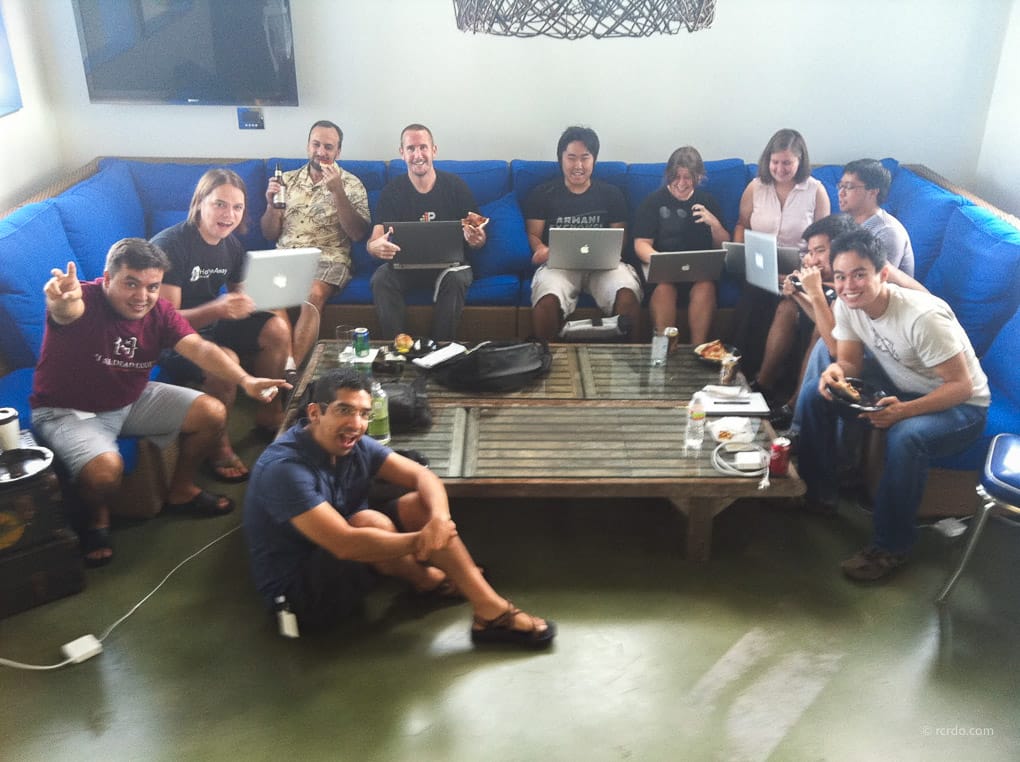
I remember working for a small software consulting firm right before the 2008 financial crisis. This was a job where there were only eight of us: three owners and us, the software engineers. This was my second software job after moving to Austin, TX, and I was very excited to work there. We consulted and worked on different projects for various businesses and organizations. Our day looked like this: we’d have a short meeting at the beginning of the day, and then work on projects—mostly coding—for the rest of the morning. At lunch time, we often went to eat together, taking time to enjoy the food and the conversation. We solved many technical challenges during these lunches, so aside from being enjoyable, they were sometimes productive events. After this, we’d get back to work for an hour or so, and then we started playing DotA, a team-based strategy game where two teams of five players control unique "heroes" to destroy the opposing team's base structure, called the "Ancient.” We spent hours playing it, and sometimes the game got serious and very challenging. We all loved it; it was a great way to end the workday.
My next job was with a digital resale platform, also based in the same tech hub. Although we didn’t play DotA—or any other game for that matter—the only other developer and I got along well, and we often dreamed about creating an app. The work at this company was interesting, and it was here where I first learned about the benefits of caching data and scalability. During major sports events, the company’s site would always see a significant increase in traffic and sales. It was very important that we maintained the site up and available during these times. Keep in mind that solutions like AWS services, and specifically Elastic Compute Cloud (EC2), were very new, and it wasn’t a common solution to these problems as it is now. The company was still small, fewer than 100 employees, and everyone worked in the same office: sales, the owner, buyers, a few guys in charge of the servers, one database guy, and the two of us developers. In the relatively short time I was there, the company didn’t change much, but the experience and learnings I extracted from this job were lasting.
The job I got after this was at a fast-growing startup, and it was already much bigger than the two previous companies I mentioned. It was a vacation rental website that offered services very similar to Airbnb. I was hired into a team of no more than five people, who were part of another much smaller company that had just been acquired before I joined. The company was growing fast, and the small team I joined was tasked initially with modernizing an old code base composed of ASP pages into a modern ASP.NET site, with a completely redesigned user interface and a new database. The transition was successful; I spent quite a bit of time upgrading multiple ASP pages into ASPX. It was at this company where I also became very familiar with Bootstrap, a popular HTML, CSS, and JS library created by a team at Twitter. This was very useful as it allowed us to make our pages responsive, which at the time was a new way to have the same web pages work well for any screen size. This was revolutionary, and it made the experience of browsing web applications via your phone a lot more functional and a much more pleasant experience.
My team and I initially worked at the original office of the company that had been acquired; it was a place not very large, and our little space was composed of a hallway with crammed tiny desks and basic chairs. After six months or so, we were moved into the main office, a beautiful building consisting of multiple floors, a few lounges, coffee stations everywhere where you could get a drip or espresso coffee, lunch rooms filled with fruit, snacks, juices, cereal, etc. We all got standing desks, dual monitor setups, and new laptops. It was quite the upgrade.
This company went through many changes; it grew from about 500 people when I joined to about 2,000 when I left. I remember being able to have casual conversations over coffee with the CEO, the CTO, and the COO. They were all accessible, but as the company grew, it also became a publicly traded company. It was a good time for all of us. However, by 2014 the company was not the same. The Friday talks over breakfast were gone. This was an in-person all-hands where all the executives were present; they all gave an update, and then there was a good 30 minutes for Q&A. I think this helped most employees feel good about working there and feel like they were listened to. After the Friday all-hands meeting stopped, it wasn’t as easy to reach the executives if you weren’t part of the executive team. However, some of them remained accessible and curious about the software engineers’ ideas and thoughts about the product. I maintained an active relationship with the CTO and COO (who now serves as the CEO of Oura ring) during this time.
But after almost four years working there, it was obvious that something was happening. Drastic changes took place, multiple new processes were implemented, and our software development life cycle became longer as many steps and approvals were added to almost each step of the process. Needless to say, the work wasn’t as enjoyable; there were many people we had to convince about tools or processes, and then some people started leaving. About a year after the drastic changes started, the company was acquired by Expedia. Looking back at this, it all makes sense now. It’s almost as if the company was preparing to look good for its upcoming new owner.
My next move led me to my current job at a business services software company headquartered in the Midwest. I was still in Austin, TX when I got this job, and although I had worked from home before, it was my first time working remotely full-time. The company had about 1,000 employees when I joined, just months after their **Initial Public Offering (IPO)**. Yes, I missed it. I remember flying out to meet my team in person; I was the only remote employee on my team. The company was growing fast after the IPO, and hiring remote employees was a great move as it allowed them to find people in other markets where they had no presence.
The work at this company has been very rewarding. Just a month or two after I joined, my team was split into two different teams, and we were tasked with modernizing an area of the main web application used by internal users to help onboard clients and get them ready for their first process run. It was challenging, but we all learned a lot. I remember being able to use newer tools and frameworks (at the time), such as Dapper for SQL queries and React for the client-side code. Our new team was mainly composed of new people hired after me, and although it was rocky at first, we learned to work together. In my opinion, we were one of the most productive teams in the company for years. Almost every team or category handled themselves as a little startup, with a lot of independence when it came to choosing technologies and tools to get the job done.
The company continued to grow, changes happened, and the way we work was affected. Last month was my eleventh anniversary at this company, and I think only one person congratulated me. I still have a glass plaque for my five-year anniversary, and those aren’t given away anymore. Although the company is much larger now, I think I know fewer people than before. I know many names, but I don’t know them like I used to know a lot of people years ago. People have left the company, moved to other teams, etc. And with the company being much larger now, everyone is busy, and it is hard to keep up with old colleagues.
The work continues to be challenging and interesting, but the processes have become more time-consuming and more difficult, not unlike my previous job at the vacation rental company acquired by Expedia. I understand that as a company grows, the goals and regulations change. However, it will always be hard for me to accept that what made a company great is something that needs to be changed into something else—something that’s more representative of a company of a similar size. Why? Is it really a good idea?
It is a bit ironic because I believe that by doing this, companies fall victim of the _disruptive innovation_ theory by Clayton Christensen. If you are interested about disruptive innovation, I highly recommend the book The Innovator's Dilemma by Clayton Christensen. This theory explains how established companies can be overtaken by new market entrants, even if the new products initially seem inferior. This happens because new companies can introduce simpler, cheaper products that appeal to overlooked customers or create entirely new markets. Disruptive Innovation comes from smaller teams and companies due to the lack of extensive processes or multiple management layers and decision trees. Established companies often are the victims of this because they mimic larger companies, and little by little start to build and design their products by committee and limiting people’s ideas and projects because they are not part of a fiscal year plan.
Well, there you have it. I started writing about change and somehow I just couldn’t stop typing. I am in New York City today; my wife and I will be here until after Christmas spending time with our kids who live in this city. I am thankful to have a job that offers the flexibility of working remotely, but sometimes I wonder if even that will last. Time will tell. The only sure thing is that nothing ever stays the same; everything continues to change, all of the time.
Have you seen this bureaucratic tax kill productivity at your company? What was the biggest process killer you witnessed?